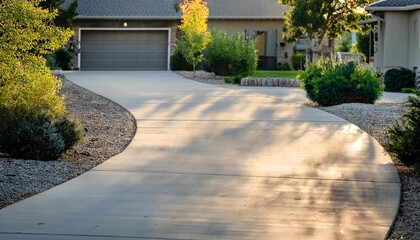
Concrete is known for its durability and strength, but even the most well-constructed driveways will eventually degrade. Recognizing when it’s time for repair will save money and prevent serious problems down the road.
While hairline cracks are normal and often repairable, a recurring pattern of larger or interconnected cracks may indicate systematic deterioration that repairs can’t address. Contact Driveway Repair Nashville for more details.
1. Cracks or Holes
Concrete driveways provide homeowners with a durable and functional path that adds resale value to their homes. However, like any surface, they can develop cracks over time and require repairs to maintain their integrity. Incorporating the right maintenance practices, addressing drainage issues, and seeking professional repair services can help ensure your concrete driveway lasts for as long as possible.
While small cracks in a driveway are common and typically not considered structural, larger cracks may need to be repaired by a concrete service. This is particularly true if they show signs of heaving or shifting. Heaving is caused by moisture trapped under slabs and can be exacerbated by leaking gutters, overflowing downspouts, or improper soil compaction during construction. A heaved concrete driveway can be dangerous and should be repaired as soon as possible.
Larger cracks may also need to be ground down and leveled by a concrete service, as they can pose a trip hazard. While some small cracks can be caulked or patched, it is best to let a professional handle any crack that is constantly widening or shows movement. Professional concrete crack repair prevents the damage from worsening during freeze-thaw cycles.
When cracks form in a concrete driveway, it is usually because of a combination of factors. Most commonly, it is due to poor installation practices. When contractors don’t properly compact the soil, it can lead to uneven support and settlement of the concrete. Another common cause of cracking is soil erosion. Clay soil is prone to shrinking and swelling during different seasons, which can cause the ground underneath slabs to move up or down. Cracks can be mitigated by installing control joints, which are lines every few feet that guide where the cracks form. If they are placed correctly, it can prevent the cracks from widening or becoming a tripping hazard.
2. Uneven Surface
Concrete driveways, patios, and porch steps can be unsightly when they’re cracked, damaged, or uneven. But these problems aren’t just aesthetic issues; they can also create serious safety risks that put you and your family at risk of injury or damage to your vehicle or property.
When a driveway or other concrete surface begins to sink, it’s usually because something is wrong underneath the surface. Many factors can contribute to sinking or uneven concrete, including erosion of the soil that holds the slab up, poor compaction during installation, and freeze-thaw cycles that cause the ground to shift or heave.
It’s important to address these issues as soon as you notice them, since they can quickly get worse. Depending on the severity of the problem, you may need to dig up and replace the entire driveway or a large portion of it.
However, before deciding to do so, you should consider the cost of repair vs. replacement. Generally, repairing concrete is much cheaper than replacing it.
When choosing a contractor to handle your concrete repair, be sure to research contractors in your area and check reviews online. Look for local companies with experience working on projects similar to yours, and request references from previous clients.
A concrete driveway should have expansion joints that are properly spaced to control cracking. These joints are typically located every 6 to 10 feet, and they help the concrete expand and contract in hot and cold temperatures without damaging the slabs or causing large cracks. It’s also important to use proper concrete mix, gradation, and installation methods, as well as install proper drainage to prevent water buildup. Additionally, homeowners should reseal their driveways annually to protect them from moisture penetration and maintain a clean, beautiful appearance.
3. Stains or Discoloration
Concrete driveways are known for their durability, but they aren’t immune to damage or wear and tear. Adding regular inspections to your home maintenance routine can help you identify early signs of concrete issues, like cracking and uneven surfaces, so that you can take the right course of action to keep your driveway safe and functional.
Stains are another common sign that your concrete is in need of repair. Oil, grease and chemicals can seep into the porous surface of concrete and cause discoloration. To prevent stains, it’s important to clean up spills as soon as they occur and to use car mats or protective coatings under vehicles to catch drips and fluid leaks.
Certain stains may be more difficult to remove than others, depending on the type of stain, the concrete type and the age of the stain. Stains that are fresh and haven’t soaked into the concrete can often be removed with high-powered pressure washers or cleaning solutions. However, older stains may require professional attention, as they can be more difficult to break down and lift from the surface.
Some stains, such as those caused by ink or dye, can be extremely stubborn and may not completely disappear from the concrete surface even with professional equipment and degreasers. These stains may require specialized products and cleaning methods to fully break down and remove from the concrete, so it’s important to test any cleaner in an inconspicuous area before using it on your entire driveway.
Cracks are a natural occurrence in concrete surfaces, but they can be made worse by water that seeps into the concrete and freezes when it thaws. Cracks that widen or lengthen significantly indicate severe damage that requires repair, or possibly replacement of your driveway or parking lot.
4. Sunken Sections
Concrete surfaces require regular inspection to identify early signs of damage. Ideally, these issues can be prevented or addressed with simple repair methods like crack filling, resealing, and patching. However, if the concrete is showing significant signs of wear and tear, it may be time to consider replacement to ensure a safe and functional surface for years to come.
One of the most common indicators of damage to concrete is sunken sections. This can be a sign of serious settling and shifting of the ground beneath your concrete slabs, which can lead to structural damage and safety hazards.
If you notice a section of your driveway or patio sinking, it’s important to take action right away. Left untreated, this can result in serious deterioration and expensive repairs down the line. The best way to prevent sunken concrete is by ensuring proper site preparation and compaction during construction, implementing effective drainage solutions, and maintaining proper grading of the area.
Alternatively, you can raise the sunken section with a technique called slab jacking. This involves drilling holes in the affected area and pumping limestone, fly ash, or cement slurry underneath the concrete with a special mudjacking machine. This method can be more expensive than a complete replacement, but it provides a strong foundation and avoids future sinking.
A professional can inspect your concrete surfaces to determine the best course of action. Depending on the severity of the damage, your concrete specialist can recommend quick fixes or a full replacement to ensure a safe and functional driveway for years to come. With the right care, your concrete can last up to 30 years, so it’s important to be proactive about addressing any problems that arise.
5. Rough Edges
Concrete driveways are a great choice for home and business owners because of their durability and low maintenance needs. However, they can still be subject to damage and deterioration over time due to weathering, traffic, and other factors. Regular inspections and prompt action are key to preventing costly repairs in the future.
Repairing a concrete driveway may involve filling cracks, raising sunken sections, or resurfacing the entire surface. It’s important to use quality repair materials that are designed for exterior use and can withstand freezing temperatures, extreme heat, and moisture. It’s also important to allow proper curing times to ensure the strongest and longest-lasting results.
Concrete cracks are common anywhere there’s a concrete slab, but they’re especially problematic in driveways and other heavily used outdoor surfaces. A concrete patch can help address these problems, but it’s usually a temporary solution since the cracks will reopen with exposure to moisture and freeze-thaw cycles. Additionally, the patch may chip away or deteriorate with constant exposure to de-icing salts and other chemicals.
Performing routine maintenance like cleaning dirty concrete, caulking cracks, and applying a sealer will help prolong the life of your concrete driveway. Avoid using de-icing salts on your concrete, and don’t park heavy equipment or vehicles on it.
Ultimately, the state of your concrete and your goals for the space will determine whether you should repair, resurface, or replace your concrete driveway. For example, if your driveway is in good overall shape, but a few sunken slabs are creating trip hazards, concrete leveling may be the quickest and most cost-effective solution. To learn more about concrete driveway options, request a free estimate with an A-1 location near you!